
 See My Latest Article on HelloNation
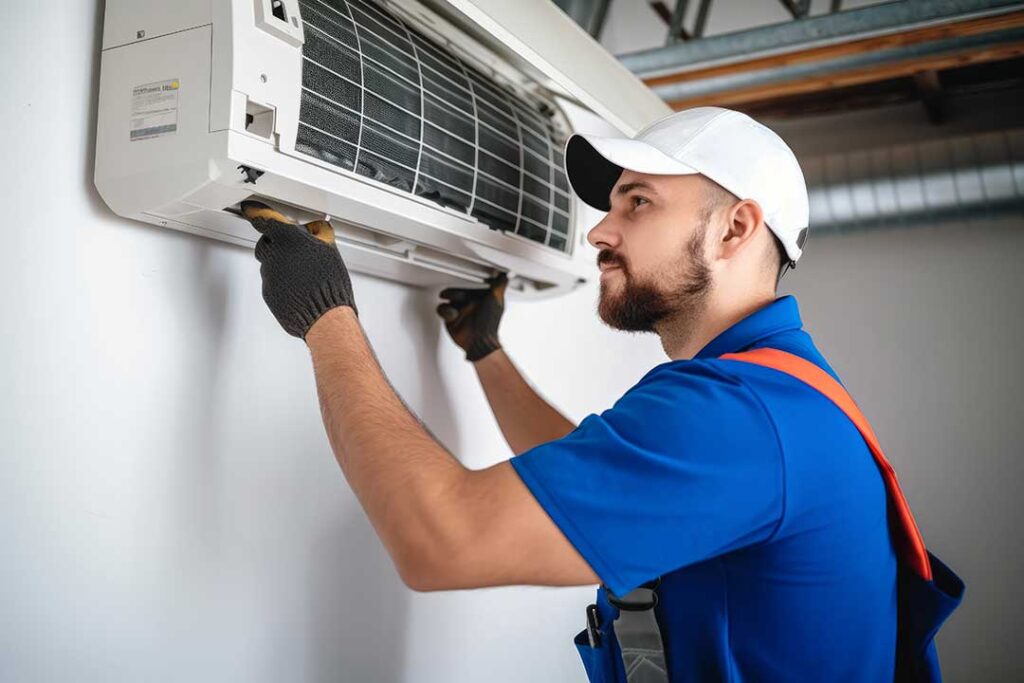
Why Prepare Your Furnace Before Winter in Akron, OH?
Getting a furnace ready before winter helps ensure reliability, efficiency, and safety throughout the cold season. Early preparation can minimize the risk of surprise breakdowns during freezing spells, which are common as Akron winters can bring extended periods of below-freezing temperatures. Addressing simple maintenance tasks ahead of time can also help lower heating costs and improve indoor comfort.
What Should You Check Before Turning On Your Furnace?
Before switching your system from cooling to heating, check for any obvious issues that could become bigger problems once the furnace is running continuously.
Start with these practical steps:
- Examine the area around the furnace for clutter or stored items that could obstruct airflow or pose a fire hazard.
- Look for any visible signs of rust, soot, or moisture on or near the unit, as these can indicate internal problems.
- If you detect a strong gas smell or hear unusual noises, avoid starting the furnace and safely ventilate the area.
Most local residents first notice furnace issues when temperatures drop suddenly. A quick look now can prevent urgent problems in the heart of winter.
How Often Should You Replace the Furnace Filter?
A clean filter is essential for maintaining healthy airflow and keeping dust from circulating through your house. For typical households in Akron, check the filter monthly during heating season and replace it at least once every three months. Homes with pets, older furnaces, or occupants with allergies might benefit from more frequent changes.
A clogged filter will force your furnace to work harder, which increases energy use and can shorten its lifespan. If you’re unsure where your filter is located, most units have it in the blower compartment or return air duct.
Are There DIY Maintenance Steps Residents Can Safely Handle?
Many furnace maintenance tasks can be performed by homeowners with basic knowledge and tools.
Here’s what’s generally safe to do:
- Turn off the furnace power before performing any checks.
- Gently vacuum dust from around the blower compartment and burners using a hose attachment.
- Make sure vents and registers throughout your home are open and unobstructed.
- Ensure that the thermostat is working properly by raising the setting and listening for the furnace to respond.
- Check that the combustion air intake (if present) is clear of outside blockages like leaves or snow.
Don’t attempt to open sealed panels or adjust gas valves; leave more complex or hazardous work to trained professionals for safety reasons.
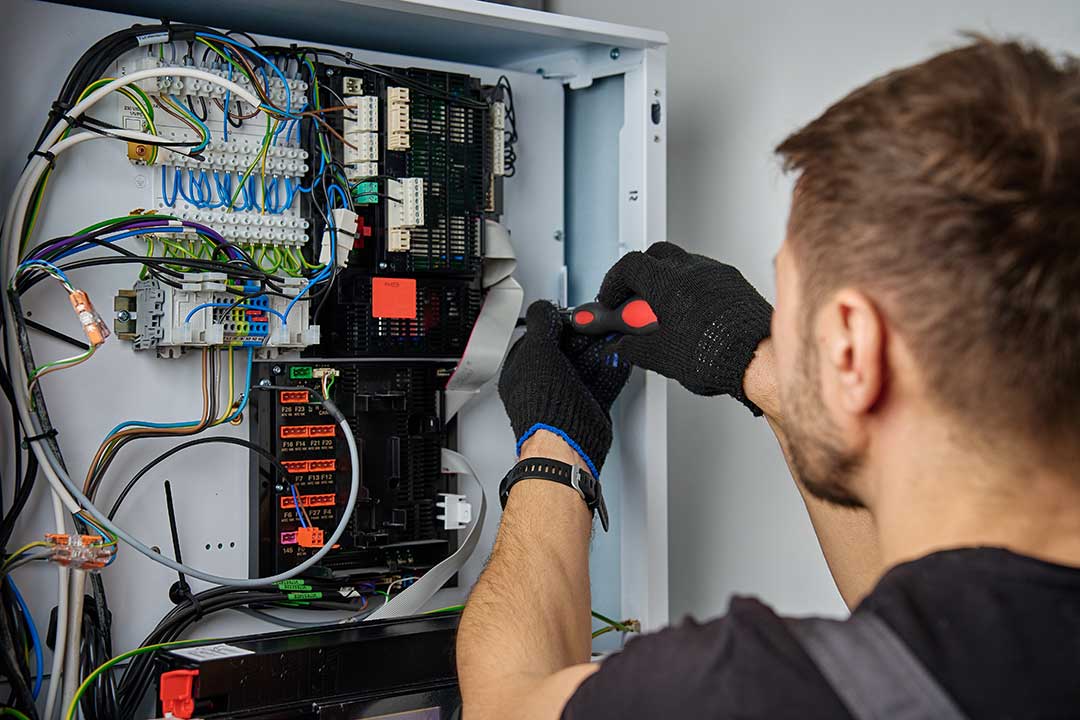
What Are Common Misconceptions About Furnace Prep?
Some residents assume that skipping annual checks is harmless if the furnace seems to be working. In reality, undetected wear, minor wiring issues, or accumulated dirt can lead to larger breakdowns right when the system is needed most. Another misconception is that cranking up the thermostat suddenly will heat your home faster — most furnaces deliver heat at a fixed rate, so gradual temperature changes are just as effective but less stressful on the system.
How Does Akron’s Climate Influence Furnace Preparation?
Akron experiences dramatic temperature swings and long heating seasons, typically from October through April. This extended period of use places extra wear on furnaces compared to regions with milder winters. Area homes, especially older housing stock, may also have drafty windows or less insulation, both of which demand more consistent furnace performance.
Preparing for potential ice and snow buildup around vents and intakes is also critical here, as snow-blocked exhaust lines can trigger furnace shutoffs or cause dangerous backdrafts.
What Should You Know About Furnace Safety Precautions in the City?
Home heating accounts for a significant share of residential fires and carbon monoxide incidents. Akron households should all have working smoke and carbon monoxide detectors on every floor, especially near sleeping areas. After the first cold night, check batteries and test alarms to ensure they activate properly.
Keep flammable materials, such as cardboard boxes, cleaning supplies, or clothing, away from the furnace closet or room. For houses with children or pets, secure access to the furnace to avoid accidental tampering.
What About Programmable Thermostats and Temperature Settings?
Using a programmable thermostat can help reduce energy consumption and maintain a comfortable home. Scheduling temperature setbacks overnight or during work hours — for example, lowering the thermostat by 7–10 degrees for eight hours — may save on heating costs without noticeable comfort loss.
Ensure your thermostat is set to “heat” mode and hasn’t been exposed to direct sunlight or drafts, which can cause inaccurate readings. Recalibrate or replace batteries in digital thermostats during fall checks.
When Should You Involve a Heating Professional?
Only involve a qualified technician if you detect gas odors, see persistent flame irregularities (such as yellow or flickering flames rather than steady blue), or if you experience regular furnace shutdowns. Also, furnaces that do not respond to basic troubleshooting or trigger repeated safety shutoffs need expert attention for safe operation.
Residents living in multi-unit buildings or homes with older heating infrastructure should verify any work complies with current local codes and building safety regulations.