

 See My Latest Article on HelloNation
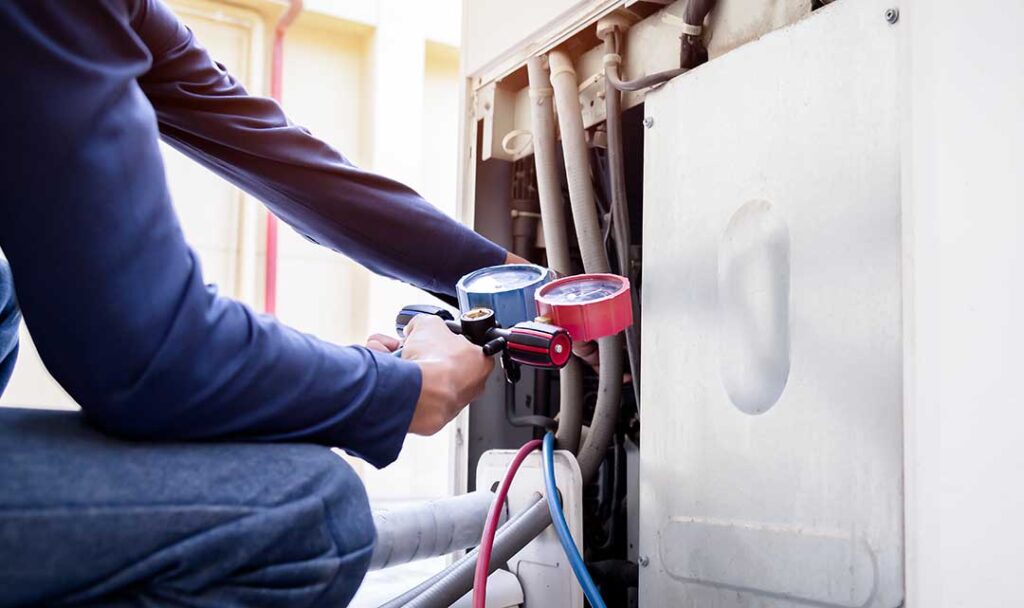
What Can Homeowners in Akron, OH Do for Year-Round HVAC Efficiency?
Routine upkeep is possible for most residents and can extend the life of home heating and cooling systems. Regular, simple tasks can keep major repairs at bay and improve overall comfort, especially with the dramatic seasonal changes seen in this area.
Akron’s climate means HVAC systems work hard through humid summers and frigid winters. Residents are wise to perform basic checks seasonally—early spring and fall are good benchmarks before peak usage. Ensuring clear airflow, clean filters, and well-insulated ducts are the backbone of self-guided maintenance.
Why Is Filter Replacement Crucial and How Often Should It Happen?
Replacing filters helps prevent dust build-up, protects equipment, and supports cleaner indoor air. Most central systems use replaceable or washable filters, located behind a grill in an interior wall, ceiling, furnace, or inside the air handler.
For Akron’s average suburban homes, check filters every month during peak heating and cooling periods. Generally, change them every 1-3 months, but homes with pets, allergies, or nearby construction may need more frequent attention. Insert the new filter with airflow arrows pointing toward the furnace or handler.
Common mistake: Forgetting to note filter size before heading to a hardware store. Write it down or take a picture first.
How Can Homeowners Safely Clean Their Heating and Cooling Vents?
Dust, pet hair, and small debris often accumulate in supply and return vents. Simple cleaning improves flow and reduces allergens.
- Vacuum metal registers with the brush attachment after switching the system off.
- For deeper cleaning, unscrew the vent covers, wash them with soapy water, and let them dry fully before reinstalling.
- Avoid pushing dust further down the ductwork with rough brushing.
Tip: Check behind large furniture or curtains for blocked vents, as this can disrupt room temperatures.
Are Thermostat Settings Impacting Utility Costs and Comfort?
Homeowners can use programmable thermostats to set schedules, reducing energy use during work hours or sleep. For Akron’s winters, aim for 68°F when home and awake, and lower at night or when away. In summer, 78°F is an efficient target while occupied.
Periodically compare the thermostat reading to a separate room thermometer. Significant differences may point to placement issues (near lamps, TVs, or drafts) or calibration problems.
A common misconception is that setting the thermostat exceedingly high or low speeds up heating or cooling. HVAC systems work at a fixed rate regardless; rapid changes create extra wear and waste energy.
What Outdoor Maintenance Should Akron Homeowners Perform for HVAC Units?
Snow, leaves, and local pollen can clog outdoor condenser and heat pump units, reducing efficiency.
- Clear leaves, sticks, and grass clippings from around the exterior unit with gloves and a broom.
- Gently hose off coils each spring and fall—never use a pressure washer, which can cause damage.
- Maintain two feet of clear space around the unit and trim any encroaching bushes.
Check for obvious issues like sunken concrete pads, nests, or bent fins. If the unit appears tilted or heavily obstructed, further action may require technical knowledge.
How Do Akron Residents Know If Professional Help Is Needed?
While most routine maintenance can be done with basic tools, some symptoms require advanced troubleshooting for safety and compliance reasons. Contacting a licensed HVAC technician is wise if you notice:
- Persistent electrical smells, sparks, or tripped breakers
- Unusual banging, grinding, or rattling noises from system components
- Water leaks around the indoor unit
- Sudden, unexplained rises in energy bills despite usual usage
- Short cycling (unit turns on/off rapidly)

Tampering with wiring, refrigerant lines, or sealed system components can void warranties or create hazards.
What Are Some Overlooked Steps for Whole-House Comfort?
Regularly check that windows and doors seal tightly; air leaks can undermine HVAC performance year-round. Use weatherstripping and caulk to address drafts, especially before cold snaps.
Ceiling fans, set counterclockwise in summer and clockwise in winter, help redistribute treated air for balanced comfort.
Change the direction of floor registers to improve distribution if you notice uneven temperatures from room to room. In multi-story homes, closing select basement vents in summer can redirect cooling to upper levels.
What About Humidity and Air Quality Maintenance?
Akron’s climate brings muggy summers and dry, heated indoor air in winter. If your system includes a humidifier or dehumidifier, check that trays and filters are clean.
- Empty and rinse dehumidifier water buckets frequently in summer.
- Replace humidifier pads or filters before the heating season.
- Keep indoor humidity between 30% and 50% for comfort and efficiency.
Dusting and vacuuming regularly, as well as periodic filter replacements, help uphold healthy air quality with minimal hassle.