

 See My Latest Article on HelloNation
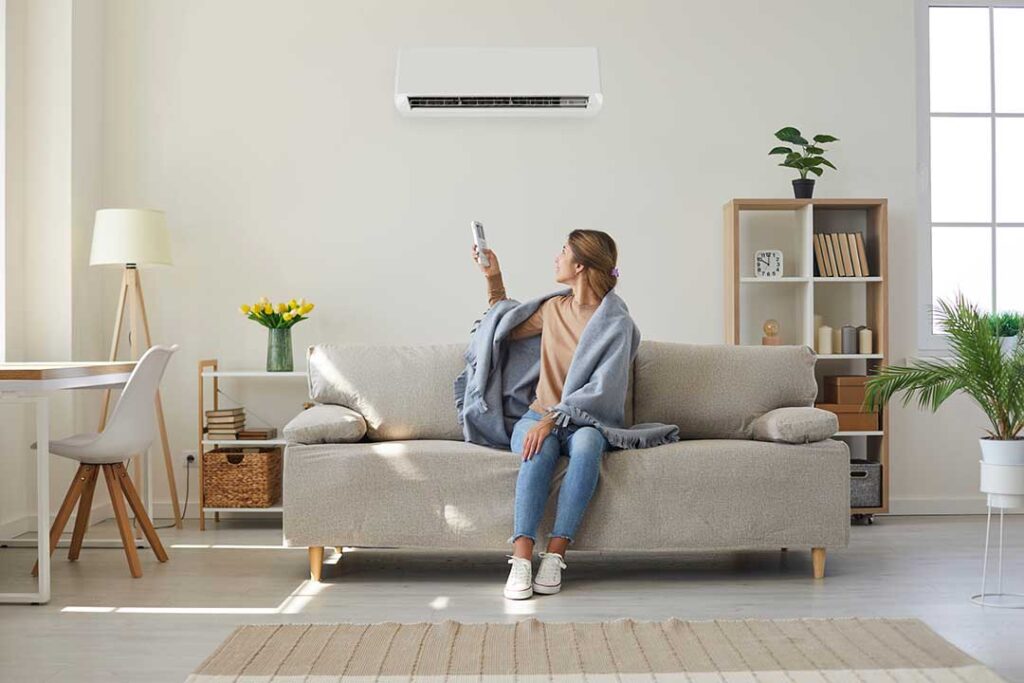
Ductless mini split systems can provide both heating and cooling without the need for traditional air ducts. They are especially useful in homes with hot-water radiators, electric baseboards, additions, converted spaces, or rooms that are difficult to heat and cool evenly.
The main tradeoff is that mini splits offer efficient, room-by-room comfort but require visible indoor equipment, regular cleaning, and careful planning. They are not automatically the right choice for every home.
How does a ductless mini split system work?
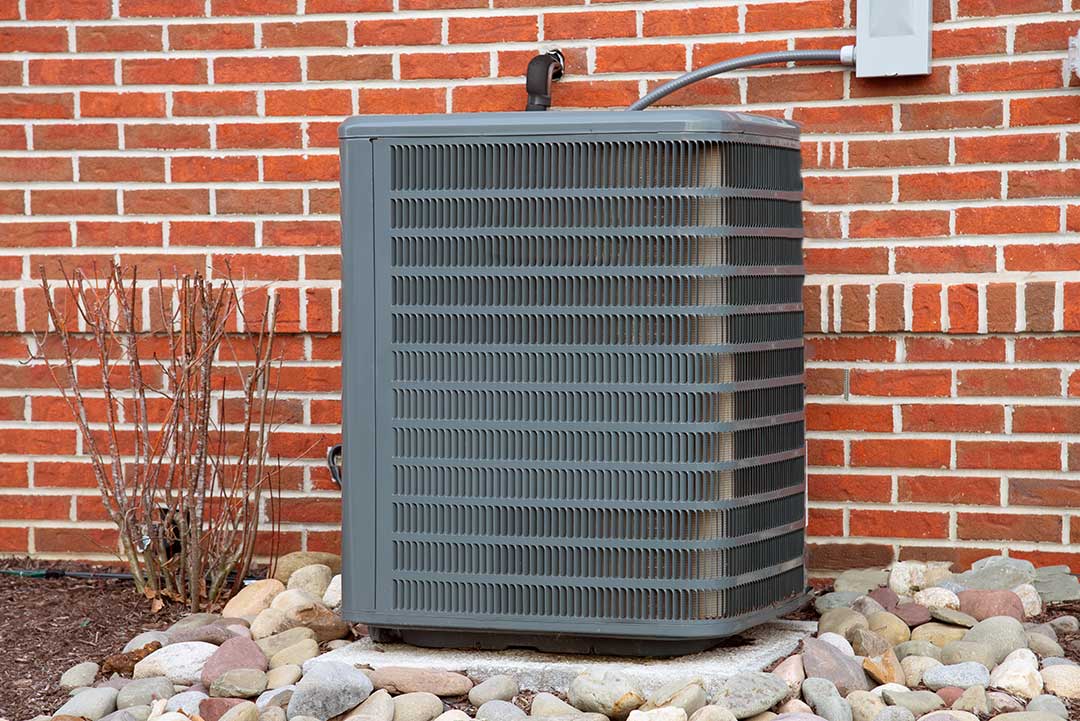
A ductless mini split uses an outdoor heat pump connected to one or more indoor air-handling units. Refrigerant lines pass through a small wall opening, allowing the system to move heat between the indoors and outdoors.
In cooling mode, the system removes heat from the home. In heating mode, it reverses the process and pulls available heat from outdoor air into the building. Many current cold-climate models are designed to continue heating during low outdoor temperatures, although performance and capacity vary by model.
Each indoor unit typically includes:
- A blower fan
- A heating and cooling coil
- An air filter
- Temperature controls
- A condensate drain for cooling and dehumidification
A single outdoor unit may serve several indoor units, creating separate temperature zones. Some homes use one unit for a bedroom or addition, while others use multiple units to cover most living areas.
What are the main advantages?
Mini splits work well where ducts are unavailable
Many older homes in Akron, OH use radiators, boilers, baseboard heaters, or other systems that do not distribute air through ductwork. Installing new ducts can require opening walls, lowering ceilings, or modifying closets and floors.
A ductless system can add cooling and, in some cases, replace or supplement existing heating with much less structural disruption. This makes it practical for renovations, finished attic rooms, sunrooms, garages converted into living space, and additions.
Room-by-room control can improve comfort
Each indoor unit has its own thermostat or control system. Occupants can keep bedrooms cooler for sleeping, reduce conditioning in unused rooms, or maintain a different temperature in a home office.
This zoning can be more comfortable than operating one central thermostat for an entire house. It may also reduce energy use when only part of the home needs heating or cooling.
Ductless systems avoid duct losses
Ductwork located in unconditioned attics, crawl spaces, basements, or garages can lose energy through air leakage and poorly insulated surfaces. Ductless systems deliver conditioned air directly into living spaces, avoiding those particular losses.
That does not guarantee low utility bills. Energy use still depends on insulation, air leakage, thermostat settings, equipment sizing, outdoor temperatures, and how consistently filters are maintained.
They provide both heating and cooling
A ductless heat pump can serve as an air conditioner in summer and a heating system during much of the heating season. This can reduce reliance on separate window units, portable heaters, or older electric resistance equipment.
For the cold winters common to the region, a homeowner should verify the system’s low-temperature capacity rather than relying only on its general efficiency rating. Some systems perform well in cold weather, while others may need supplemental heat during the coldest periods.
Installation can be less disruptive
The outdoor unit, indoor head, refrigerant piping, wiring, and drain line can often be installed without major demolition. A small opening through an exterior wall is usually enough for the line set.
Less disruption does not mean no construction. Indoor units need suitable wall space, outdoor equipment needs proper support and clearance, and condensate drainage must be handled correctly.
What are the disadvantages?
Indoor units remain visible
The wall-mounted indoor heads are noticeable. They may not suit every room design, especially where furniture placement, artwork, or a traditional appearance is a priority.
Ceiling cassette and concealed duct options are available in some system designs, but they can require more complex construction and are not always practical for an existing home.
Air distribution may be uneven
A mini split heats or cools the space around its indoor unit. It does not automatically distribute air through every closed bedroom, hallway, or distant corner.
A single head in a central room may leave other areas uncomfortable. Doors, floor plans, insulation levels, and air movement all affect results. Multiple indoor units may solve the problem, but they increase equipment cost and maintenance needs.
Filters and indoor coils need regular attention
Mini split filters are usually washable, but they still need cleaning. Dust, pet hair, cooking residue, and household humidity can collect on the indoor coil and blower assembly.
Neglected equipment may develop odors, lose airflow, drain poorly, or operate less efficiently. In homes with pets, allergies, woodworking activity, or frequent indoor dust, cleaning may be needed more often than the basic maintenance schedule suggests.
Cold-weather operation requires planning
A heat pump can operate in winter, but its heating capacity generally declines as outdoor temperatures fall. During very cold weather, the system may run longer, use more electricity, or require supplemental heat.
Outdoor units also need unobstructed airflow. Snow, drifting ice, leaves, and packed debris can interfere with operation. The unit should be installed high enough to reduce exposure to snow accumulation and positioned where meltwater will not refreeze around it.
Several indoor units mean more components
A multi-zone system has multiple filters, fans, sensors, drain paths, and control points. More indoor units can improve comfort, but they also create more areas to clean and monitor.
If one indoor unit develops a problem, the effect depends on the system design. Some systems allow the remaining zones to operate, while others may experience broader restrictions.
The initial cost may be higher than expected
Mini splits can be less disruptive than installing ductwork, but they are not always inexpensive. Cost is influenced by the number of zones, line-set length, electrical requirements, wall access, drainage, outdoor mounting, and whether supplemental heat is needed.
Comparing only the equipment price can be misleading. A complete evaluation should consider installation complexity, expected maintenance, electrical use, and the condition of any existing heating system.
Are mini splits a good choice for older homes?
They can be, particularly when a home lacks ductwork or has rooms that are consistently too hot or too cold. They are also useful when an existing boiler or radiator system provides reliable heat but does not provide summer cooling.
Older homes may need additional attention to insulation, air sealing, electrical capacity, and moisture control. A highly efficient heat pump cannot fully correct major drafts, poorly insulated walls, or excessive solar heat gain.
A common practical approach is a hybrid system: retain an existing heating system for backup or whole-house coverage and use ductless units for cooling, shoulder-season heating, or selected zones.
What should be checked before choosing one?
The most useful questions involve the building, not just the equipment:
- Which rooms need heating, cooling, or both?
- Is the home insulated well enough for the planned system?
- Will closed doors prevent conditioned air from reaching important spaces?
- Where can indoor units be mounted without creating airflow problems?
- Can the outdoor unit remain clear of snow and ice?
- Is the electrical panel adequate?
- What happens during a power outage or extreme cold?
- Will existing heating remain available as backup?
- How will condensate drain during humid summer weather?
- Who will clean the filters and indoor coil?
Proper sizing is also essential. An oversized unit may cycle poorly and control humidity less effectively. An undersized unit may run continuously without maintaining comfortable temperatures during peak winter or summer conditions.
How should homeowners judge whether the tradeoffs are acceptable?
Ductless mini splits are usually most appealing when zoning, flexible installation, and efficient heat-pump operation matter more than having concealed equipment and uniform whole-house air distribution.
They may be less suitable when a home already has well-designed ductwork, when occupants dislike visible wall units, or when the floor plan requires extensive air movement between separated rooms.
For many area households, the most balanced decision is not simply “mini split versus central system.” It may be a question of whether ductless equipment should supplement an existing system, serve a difficult addition, or become the primary heating and cooling source after insulation and electrical needs are addressed.