

 See My Latest Article on HelloNation
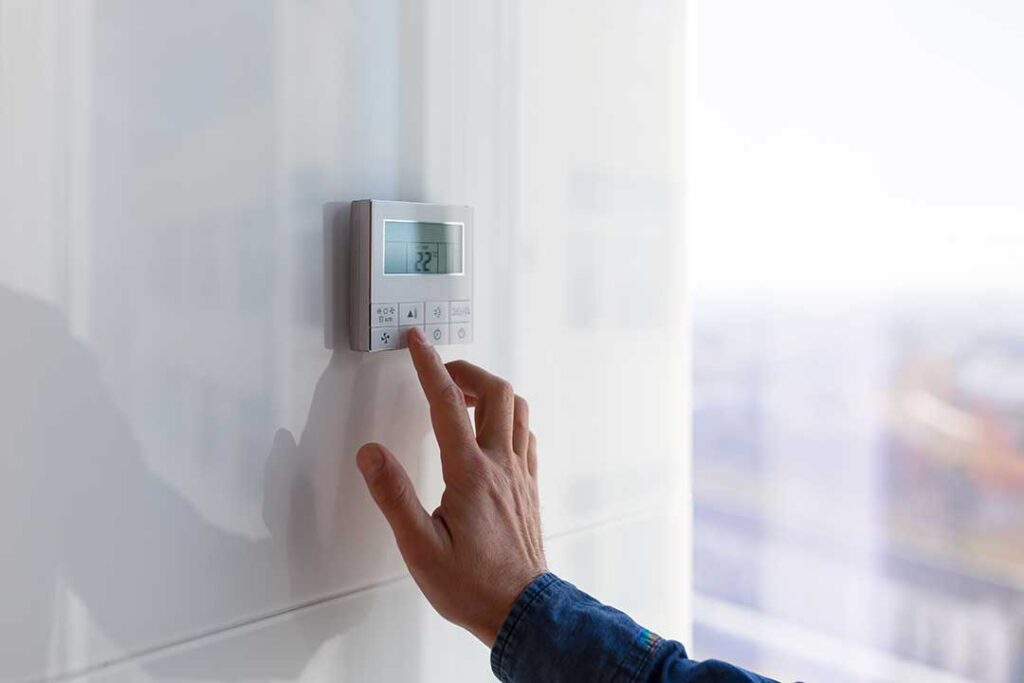
Indoor air quality depends on more than the visible cleanliness of a home. Heating and cooling systems move air through supply ducts, return ducts, grilles, filters, and equipment, so dust or debris in that pathway may affect what circulates indoors. However, duct cleaning is not automatically necessary for every household, and it does not solve every indoor air problem.
Can duct cleaning improve indoor air quality?
Duct cleaning can improve indoor air quality when ducts contain significant dust buildup, construction debris, pest contamination, or visible mold growth. If the ductwork is only lightly dusty, cleaning may have little noticeable effect compared with replacing the filter, controlling moisture, or improving ventilation.
Airborne particles can settle inside ducts when the system is off and become disturbed when the blower operates. Some debris may remain in place, while other particles can move through the system and enter rooms. The effect depends on the condition of the ducts, the quality of filtration, how tightly the ductwork is sealed, and how often the system runs.
Duct cleaning is most likely to make a practical difference when:
- Dust or debris blows from supply registers
- A remodeling project left particles inside the system
- Rodents, insects, or other pests entered the ductwork
- There is a persistent musty odor connected to the air system
- Duct interiors contain visible mold-like growth caused by moisture
- Large amounts of debris restrict airflow or collect near blower components
A cleaning may remove accumulated material, but it does not prevent new dust from entering. Ongoing results depend on filtration, housekeeping, humidity control, and the condition of the heating and cooling equipment.
What kinds of contaminants can collect in ducts?
Ducts may collect ordinary household dust, lint, hair, pollen, insulation particles, and small amounts of soil tracked indoors. In a home with pets, shedding and dander may also accumulate near return grilles and filters.
Additional concerns include:
- Drywall dust and sawdust after construction
- Pest droppings, nesting material, or dead insects
- Moisture-related microbial growth
- Fiberglass fragments from damaged duct liners
- Debris pulled through gaps around return ducts
- Dust buildup on blower compartments or coils
Not every substance found inside a duct is automatically dangerous. A small amount of settled dust is common in occupied homes. The more relevant questions are whether material is being released into living spaces, whether moisture is present, and whether anyone in the household is experiencing symptoms that may be worsened by indoor pollutants.
Does duct cleaning remove allergens?
Duct cleaning may remove some settled allergens, but it does not make a home allergen-free. Pollen, pet dander, and dust particles are also found in carpets, upholstered furniture, bedding, clothing, and other surfaces. These sources may contribute more to everyday exposure than the ductwork itself.
For residents with seasonal allergies, filtration and routine cleaning often matter more than duct cleaning alone. A properly sized filter can capture many airborne particles before they circulate, but the filter must be installed correctly and replaced according to its condition. A filter that is overdue for replacement can become restrictive, allowing the system to work harder and reducing airflow.
Duct cleaning is less likely to provide lasting allergy relief if:
- The main source is bedding, carpeting, pets, or outdoor air
- The filter is missing, damaged, or poorly fitted
- Return ducts pull air from dusty areas
- Moisture problems remain unresolved
- The air handler or coil is dirty
- Windows and doors allow substantial outdoor pollen indoors
What about mold in ductwork?
Mold-like growth inside ductwork should be treated as a moisture problem first. Cleaning away visible growth without correcting condensation, leaks, high indoor humidity, or wet insulation can allow the problem to return.
A dark stain is not enough to identify mold. Some duct materials naturally appear dark, and dust may resemble microbial growth. Testing and evaluation may be warranted when growth is extensive, when porous insulation is affected, or when there is a persistent odor and repeated moisture.
Homes in Akron, OH experience cold winters, humid summer periods, and seasonal temperature swings. Those conditions can create condensation around poorly insulated ducts, cooling equipment, or areas with inadequate air movement. Basements, crawl spaces, and utility areas also deserve attention because damp conditions can affect nearby duct components.
The source of moisture should be corrected before cleaning. In some cases, porous duct insulation or contaminated materials cannot be effectively restored and may need replacement under appropriate safety guidance.
Can dirty ducts reduce heating and cooling efficiency?
Duct contamination can affect efficiency, but the impact is often misunderstood. A thin layer of dust inside a duct usually does not cause a dramatic increase in energy use. Larger problems, such as blocked registers, collapsed flexible ducts, heavily restricted filters, dirty blower components, or major debris buildup, are more likely to reduce airflow.
Reduced airflow can cause:
- Longer heating or cooling cycles
- Uneven temperatures between rooms
- More strain on the blower
- Poor comfort near distant registers
- Increased dust around supply outlets
- Excessive pressure inside the duct system
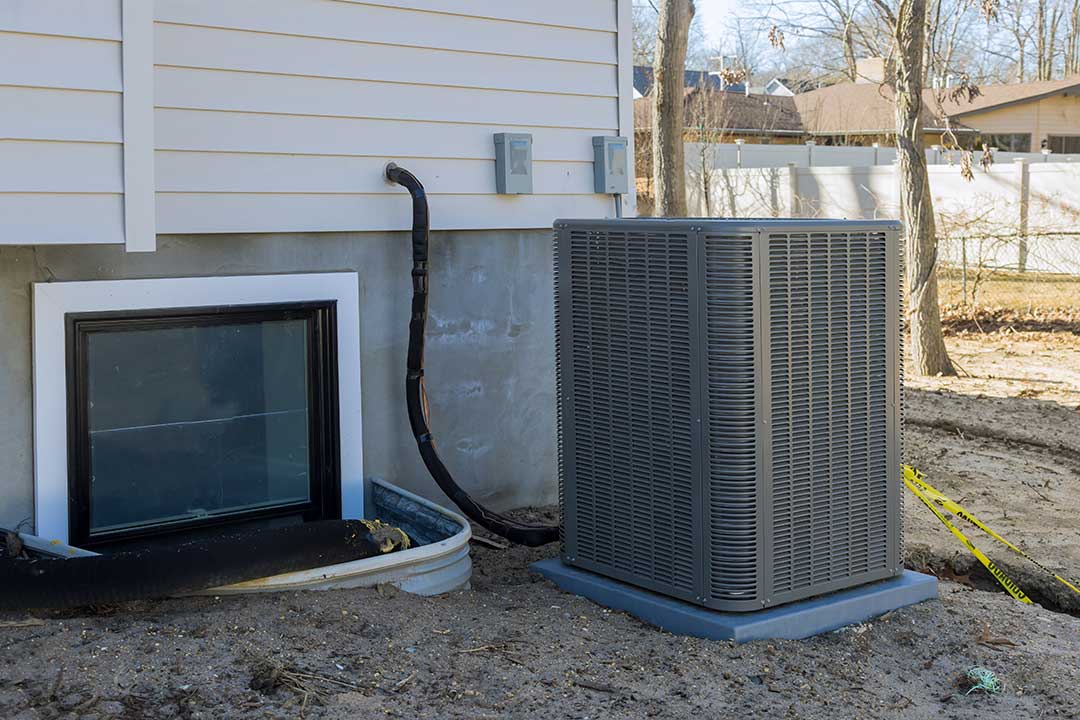
Air leakage can be more significant than ordinary dust. If return ducts draw air from an attic, crawl space, wall cavity, or unfinished area, they may pull contaminants into the system. Leaky supply ducts can also waste conditioned air before it reaches the rooms. Sealing accessible leaks and correcting disconnected sections may improve performance more than cleaning alone.
How often should ducts be cleaned?
There is no universal schedule for duct cleaning. A fixed interval, such as every few years, is not appropriate for every home. Cleaning decisions should be based on actual conditions rather than routine marketing claims.
Cleaning may be reasonable after:
- Major remodeling or new construction
- Water damage affecting ductwork
- Pest intrusion
- A confirmed contamination issue
- Replacement or disturbance of duct components
- Noticeable debris repeatedly entering rooms
If the system is operating normally, filters are changed as needed, and no contamination is visible, routine duct cleaning may not be necessary. Regular inspection of accessible areas can help determine whether cleaning would provide a meaningful benefit.
What can residents do before considering duct cleaning?
Start with simple measures that address common sources of indoor particles:
- Check that the air filter fits tightly and is not overloaded with dust.
- Keep return grilles and supply registers free of furniture, rugs, and accumulated debris.
- Vacuum register covers and nearby flooring using equipment that limits particle release.
- Look for condensation, water staining, or musty odors around air-handling equipment.
- Keep basement and utility areas reasonably dry.
- Use bathroom and kitchen exhaust fans to reduce moisture.
- Avoid blocking return-air pathways with storage or household items.
- Have persistent combustion odors, carbon monoxide concerns, or electrical smells evaluated promptly.
If anyone develops breathing difficulty, severe irritation, or sudden symptoms associated with a home environment, medical advice should take priority. Indoor air concerns can involve sources unrelated to ductwork, including combustion equipment, cleaning chemicals, tobacco smoke, building materials, or outdoor pollution.
What should a careful duct cleaning involve?
A thorough process should address the entire air pathway rather than only vacuuming visible register covers. Depending on the system, this may include supply and return ducts, grilles, blower compartments, accessible coils, and other components where debris accumulates.
Households should be cautious about claims that duct cleaning will cure allergies, eliminate every odor, or permanently remove all indoor dust. Results depend on the cause of the problem. Cleaning can be useful when contamination is real and localized, but indoor air quality usually improves through a combination of source control, moisture management, adequate filtration, proper airflow, and sound building maintenance.