

 See My Latest Article on HelloNation
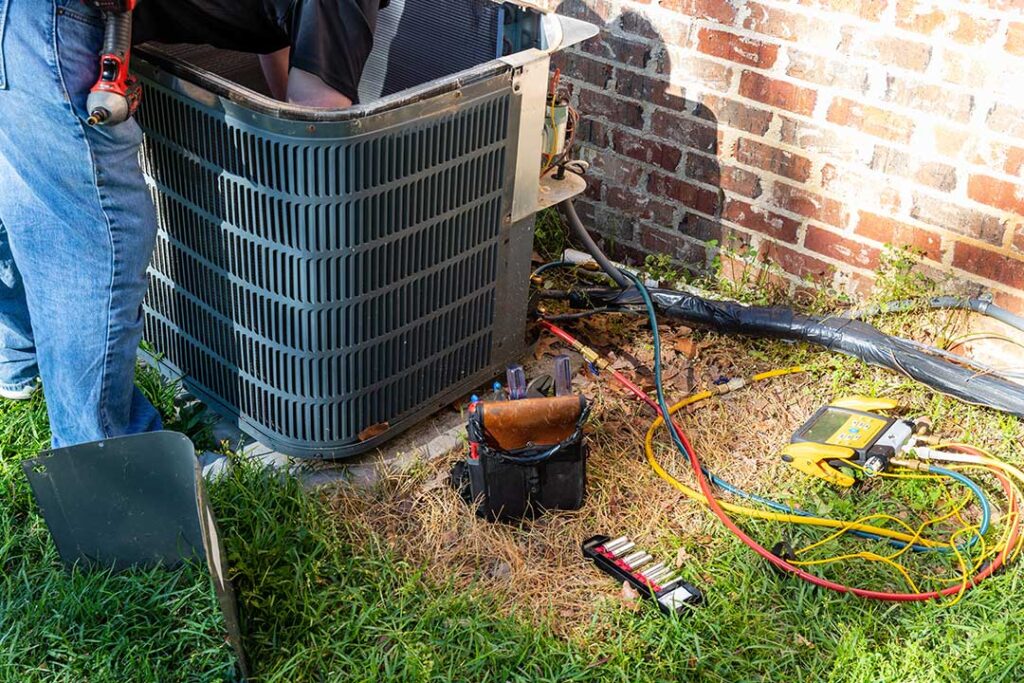
A heat pump is an electric heating and cooling system that moves heat from one place to another instead of creating heat by burning fuel. In warm weather, it removes heat from a home and releases it outdoors. In cold weather, it reverses direction and brings available heat indoors.
For households in Akron, OH, this technology can provide both heating and air conditioning from one system. Its performance depends on outdoor temperature, home insulation, equipment sizing, and the condition of the ductwork or indoor air distribution system.
How does a heat pump work?
A heat pump uses a refrigeration cycle similar to the one found in a refrigerator, but it can operate in either direction. The system circulates a refrigerant through several major components:
- Outdoor coil: Transfers heat between the refrigerant and outdoor air.
- Indoor coil: Transfers heat between the refrigerant and indoor air.
- Compressor: Raises the refrigerant’s pressure and temperature.
- Expansion device: Lowers refrigerant pressure so it can absorb heat.
- Reversing valve: Changes the direction of refrigerant flow between heating and cooling modes.
- Indoor blower: Moves conditioned air through the home.
In cooling mode, the indoor coil absorbs heat from the air inside the house. The refrigerant carries that heat outdoors, where the outdoor coil releases it.
In heating mode, the reversing valve changes the flow direction. The outdoor coil absorbs heat from outside air, even when the air feels cold. The refrigerant then moves that heat indoors, where the indoor coil transfers it to the home’s air.
How can a heat pump produce heat during cold weather?
Cold outdoor air still contains thermal energy. A heat pump extracts some of that energy and concentrates it through the refrigeration cycle. The colder the air becomes, the harder the system generally must work to gather enough heat.
Modern cold-climate heat pumps can continue operating at temperatures well below freezing. However, heating capacity and efficiency usually decline as outdoor temperatures drop. This matters in Akron because winter weather can include freezing temperatures, snow, wind, and extended periods of demand for heat.
A heat pump may also use supplemental heat during unusually cold conditions. This could come from electric resistance heating, a gas furnace in a dual-fuel system, or another approved backup arrangement. The backup heat is not necessarily used every winter day; it is intended to assist when the heat pump cannot efficiently meet the heating load by itself.
What happens during a defrost cycle?
During heating operation, the outdoor coil can become cold enough for frost or ice to form. A layer of ice blocks airflow and reduces heat transfer, so the system periodically enters a defrost cycle.
During defrost, the heat pump temporarily switches into cooling operation to warm the outdoor coil and melt the ice. The indoor system may use supplemental heat briefly so occupants do not feel a blast of cool air.
A short burst of steam or water vapor near the outdoor unit can be normal during defrost. Ice that remains for long periods, heavy airflow restriction, unusual noise, or repeated system shutdowns can indicate a problem requiring attention.
Are air-source and ground-source heat pumps different?
Yes. The most common type for homes is an air-source heat pump, which exchanges heat with outdoor air. It can use existing ductwork or, in some homes, connect to indoor ductless units.
A ground-source heat pump, sometimes called a geothermal heat pump, exchanges heat with the ground through buried piping. Ground temperatures change more slowly than outdoor air temperatures, which can make this type of system highly stable. Installation requires suitable land, underground loop planning, excavation or drilling, and a larger initial construction project.
The basic principle is the same: the system transfers heat rather than generating it directly.
What are the advantages of a heat pump?
A heat pump can offer several practical benefits:
- Heating and cooling in one system: The same equipment can serve both functions.
- Efficient operation: Moving heat generally uses less electricity than creating heat through electric resistance.
- No on-site combustion: An all-electric heat pump does not burn fuel inside the home.
- Consistent indoor temperatures: Many systems run for longer periods at lower output instead of cycling sharply on and off.
- Reduced equipment duplication: A separate central air conditioner may not be necessary when the heat pump is properly sized.
The actual energy savings depend on electricity rates, weather, indoor temperature settings, insulation, equipment efficiency, and whether supplemental heat operates frequently.
What are the limitations?
Heat pumps are not automatically suitable for every house or every installation. Several factors deserve careful consideration.
First, a system that is too small may run continuously during severe cold and still struggle to maintain the desired temperature. A system that is too large may cycle frequently, reduce humidity control in summer, and operate less comfortably.
Second, ductwork affects performance. Leaky, undersized, poorly insulated, or unbalanced ducts can waste energy and create uneven temperatures, regardless of how efficient the outdoor unit is.
Third, outdoor placement matters. Snow, drifting, leaves, and restricted airflow can interfere with the outdoor coil. The unit needs adequate clearance around its air inlets and outlets, and snow should not be allowed to bury the cabinet.
Finally, an all-electric system can increase winter electricity use even when it reduces fuel consumption. Comparing total operating costs requires looking at local utility rates and the home’s existing heating system rather than relying on equipment efficiency alone.
Does a heat pump work well in older Akron homes?
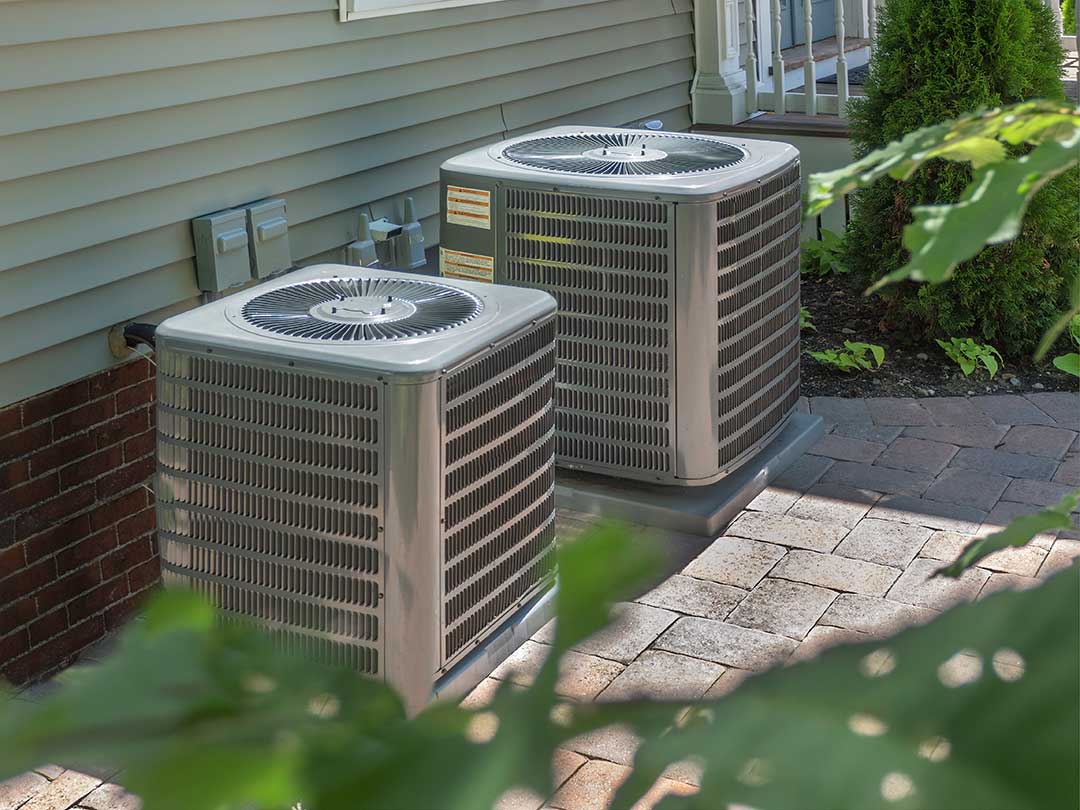
It can, but the building itself affects the result. Older homes may have air leakage, limited insulation, drafty windows, or ductwork designed around a high-temperature furnace. Because heat pumps often deliver warmer-than-room-temperature air rather than extremely hot air, drafts and uneven distribution may be more noticeable.
Useful considerations include:
- Sealing major air leaks around doors, windows, plumbing penetrations, and attic openings
- Confirming that attic, wall, and basement insulation are reasonably adequate
- Checking duct leakage and airflow
- Evaluating electrical service capacity before installing a larger electric heating system
- Selecting equipment based on a room-by-room heating and cooling load calculation
Improving the building envelope can help any heating system perform more consistently. It may also reduce the amount of supplemental heat needed during the coldest weather.
How is a heat pump different from a furnace?
A furnace creates heat, usually by burning natural gas, propane, or oil, and then distributes that heat through ductwork. An electric furnace creates heat with resistance elements. A heat pump transfers heat using electricity and a refrigeration cycle.
A furnace can produce very hot supply air and may maintain strong heating output in severe cold. A heat pump can provide efficient heating across a wide range of conditions while also providing cooling, but it may need supplemental heat during extreme weather.
Some homes use a dual-fuel arrangement, in which a heat pump handles moderate conditions and a furnace assists when outdoor temperatures become especially low. The control strategy determines when the system changes from one heat source to the other.
What maintenance does a heat pump need?
Routine maintenance helps preserve airflow, heat transfer, and reliable operation. Homeowners can usually handle basic tasks such as:
- Replacing or cleaning the air filter as directed
- Keeping furniture and stored items away from supply and return vents
- Removing leaves and debris from the area around the outdoor unit
- Checking that snow and ice are not blocking the outdoor coil
- Keeping indoor and outdoor airflow paths clear
Refrigerant work, electrical repairs, coil cleaning inside the equipment, and changes to controls require specialized tools and safety procedures. Electrical components can remain hazardous even when the thermostat is turned off.
A heat pump’s performance should be judged by more than whether it is running. Steady airflow, reasonable temperature balance, normal defrost behavior, and manageable operating costs are all useful indicators.
What should residents consider before choosing one?
The most useful question is not simply whether a heat pump can operate in Akron. It is whether the complete system is matched to the home’s heating load, electrical capacity, ductwork, insulation, thermostat controls, and expected winter conditions.
Important details include the system’s heating capacity at low outdoor temperatures, the planned backup heat, noise level, defrost behavior, indoor airflow, and how the equipment will be protected from snow and drainage problems.
A properly selected and installed heat pump can provide year-round comfort, but the equipment is only one part of the outcome. The home’s envelope, distribution system, controls, and maintenance all influence how well the system performs.