

 See My Latest Article on HelloNation
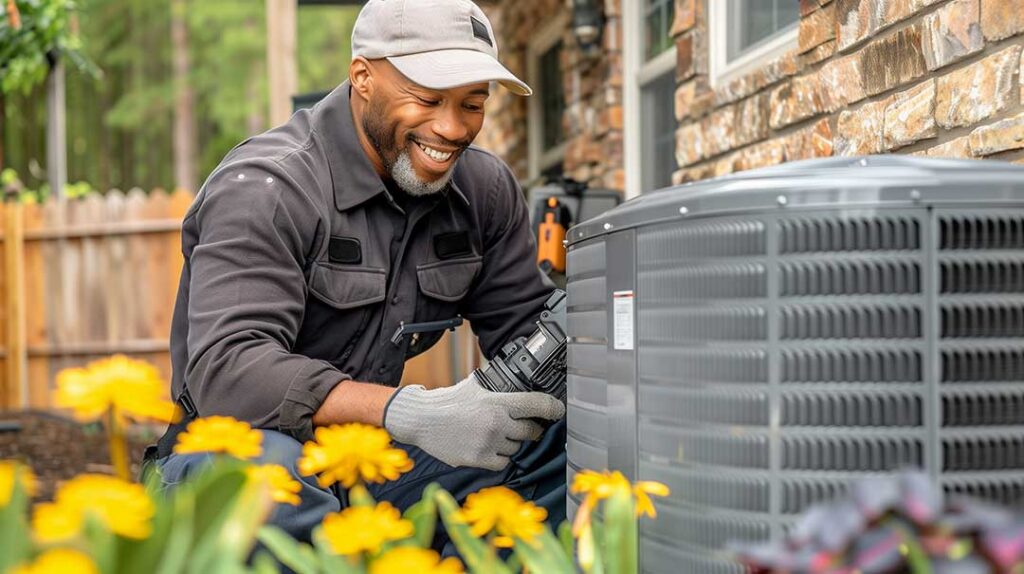
Indoor allergens can enter a home through open doors, windows, clothing, pets, and ordinary household dust. An HVAC system cannot remove every irritant, but it can help reduce airborne particles when filters, ductwork, humidity, and airflow are managed properly.
For households in Akron, seasonal changes can make indoor air concerns more noticeable. Pollen may enter during spring and summer, while closed windows and increased heating use in colder months can allow dust, pet dander, and other particles to circulate repeatedly.
How does an HVAC system affect indoor allergens?
An HVAC system affects allergens mainly through air filtration, circulation, humidity control, and the condition of the equipment itself.
As air moves through a forced-air heating or cooling system, it passes through a filter designed to capture some airborne particles. The system then recirculates the filtered air throughout the home. If the filter is overloaded, poorly fitted, or too restrictive for the equipment, particle removal and airflow can both suffer.
Indoor air quality also depends on areas beyond the furnace or air conditioner. Return grilles, supply registers, evaporator coils, blower compartments, duct surfaces, and condensate pans can collect dust or moisture. These areas may contribute to poor air quality if they are neglected.
Which HVAC filter is best for allergies?
A pleated filter with a moderate to high MERV rating is often a practical choice for reducing common household particles. MERV, or Minimum Efficiency Reporting Value, describes how effectively a filter captures particles under standardized testing conditions.
For many residential systems, a filter rated around MERV 8 to MERV 11 can provide useful filtration without creating excessive resistance. A higher-rated filter may capture smaller particles, but it is not automatically better for every furnace or air handler. Some equipment is not designed to move air through a dense filter.
Before changing filter types, check the equipment documentation or the rating recommended by the system manufacturer. Watch for symptoms of restricted airflow, including:
- Weak airflow from supply registers
- Rooms that do not heat or cool evenly
- Unusual whistling around the filter
- Longer heating or cooling cycles
- Frequent system shutdowns or overheating
A filter that fits loosely can allow air to bypass the filter entirely. Measure the existing filter or use the size printed on its frame. The filter should sit securely without bending or leaving visible gaps.
How often should HVAC filters be changed?
Most homes should inspect the filter monthly and replace it when it is visibly loaded with dust or according to the manufacturer’s guidance. A common replacement interval is every one to three months, but the correct timing depends on household conditions.
A filter may need more frequent attention when a home has:
- Multiple pets
- Smokers or frequent indoor cooking
- Recent remodeling or construction dust
- Several occupants
- A fireplace or wood-burning appliance
- Residents with asthma or allergies
- A system that runs for long periods during extreme weather
A clean-looking filter is not always proof that it can continue operating efficiently. Filters can become less effective as particles fill the media, especially during periods of heavy pollen or sustained heating use.
Record the installation date on the filter frame or in a phone reminder. Consistent replacement is more reliable than waiting for a visible layer of dust.
Can cleaning HVAC registers and returns reduce allergens?
Yes. Dust around registers and return grilles can be pulled into the system or redistributed into living spaces. Vacuuming these surfaces regularly can reduce the amount of loose material available for circulation.
Use a vacuum with a brush attachment on:
- Supply registers
- Return-air grilles
- Floor vents
- Wall vents
- The surrounding floor and wall area
Remove a grille only if it can be done safely and easily. Clean it with a damp cloth after vacuuming, then allow it to dry before reinstalling it.
Do not block supply registers or return grilles with furniture, rugs, curtains, or storage containers. Blocked returns can interfere with airflow and may cause the system to operate longer than necessary.
Should air ducts be cleaned for allergy relief?
Duct cleaning is not automatically needed in every home. Dust on the interior surface of a duct does not always enter the living space, and routine cleaning is not a substitute for proper filtration or housekeeping.
Ductwork deserves closer attention when there is visible mold growth, evidence of rodents or insects, substantial debris coming from registers, or heavy dust released after duct damage or renovation. Moisture problems should be corrected before cleaning, because damp conditions can allow microbial growth to return.
Flexible ducts, older metal ducts, and insulated duct sections require different cleaning methods. Aggressive or improper cleaning can damage duct materials. If a serious contamination or moisture problem is suspected, the situation may require qualified assessment because disturbing contaminated material can worsen indoor exposure.
How does humidity influence indoor allergens?
Humidity affects both comfort and the behavior of indoor contaminants. Excess moisture can support mold growth and help dust mites thrive. Very dry air can irritate the nose, throat, eyes, and skin, although dryness itself does not necessarily mean the home has more allergens.
A practical indoor relative humidity range is often about 30% to 50%. During humid summer weather, air conditioning or a properly sized dehumidification system may help remove moisture. During cold Akron winters, indoor humidity can rise near windows and exterior walls when warm indoor air meets cold surfaces.
A small hygrometer can help reveal whether humidity is consistently too high or too low. If condensation forms on windows, walls, or around HVAC equipment, investigate the moisture source rather than simply wiping the surface.
Does running the HVAC fan continuously improve air quality?
Continuous fan operation may increase the amount of air passing through the filter, but it can also have disadvantages. It uses more electricity, may circulate particles if the filter or interior components are dirty, and can raise indoor humidity in some cooling systems after the compressor turns off.
For many households, using the fan in automatic mode allows filtration during active heating or cooling cycles without running the blower constantly. A system with a properly selected filtration or air-cleaning device may be better suited to longer fan operation, but the equipment must be able to maintain adequate airflow.
If continuous circulation is used, monitor the filter more frequently and pay attention to humidity and comfort.
What HVAC maintenance matters most for allergy control?
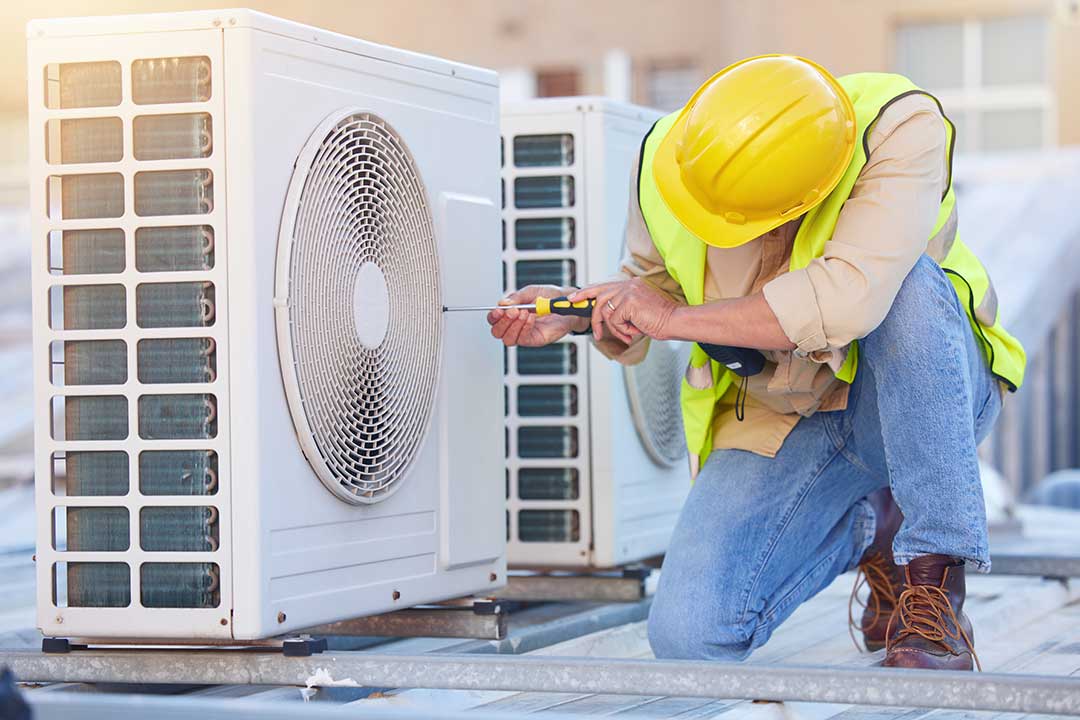
Routine maintenance helps keep the equipment clean, efficient, and able to move air properly. Useful checks include the filter, blower compartment, evaporator coil, condensate drain, outdoor unit, and duct connections.
Indoor coils and drain pans deserve special attention because moisture and dust can accumulate together. A clogged condensate drain can create water damage or persistent dampness near the air handler. Outdoor equipment should remain clear of leaves, grass clippings, and other debris so the system can operate without unnecessary strain.
Some maintenance tasks involve electrical components, refrigerant, combustion equipment, or confined spaces. Those conditions create safety concerns and are not appropriate for improvised cleaning. Stop using equipment that shows signs of smoke, burning odors, gas leakage, water damage near electrical parts, or repeated overheating.
What should HVAC systems not be expected to do?
An HVAC system can reduce airborne particles, but it does not eliminate allergens at their source. It will not remove dust from bedding, pet hair from flooring, pollen tracked indoors on shoes, or mold caused by an unresolved leak.
HVAC filtration works best alongside simple source-control habits:
- Keep exterior doors and windows closed during high-pollen periods when practical.
- Wash bedding regularly using the hottest setting suitable for the fabric.
- Vacuum with equipment that uses effective particle filtration.
- Address plumbing leaks, roof leaks, and basement dampness promptly.
- Keep pets’ bedding clean and reduce dust-catching clutter.
- Use exhaust ventilation during bathing and cooking.
The most effective approach combines a correctly fitted filter, clear airflow, controlled humidity, clean registers, and attention to moisture. For local households, those steps can make indoor air more comfortable through pollen season, humid summers, and long heating periods without relying on a single device or maintenance task.