

 See My Latest Article on HelloNation
Why Is Your AC Blowing Warm Air or Not Cooling?
If your central air conditioner isn't cooling your home properly, several common causes may be to blame. In Akron, OH, air conditioners are often under pressure during humid summers, so even a minor issue can lead to poor performance. The first step is figuring out whether the problem is something you can safely address or if it needs professional attention for safety or compliance reasons.
Have You Checked the Thermostat Settings?
Thermostat misconfigurations are surprisingly frequent, especially at the start of a season. Always start by examining the thermostat:
- Confirm that it is set to "cool" mode, not "heat" or "off"
- Double-check the set temperature—ideally a few degrees below the current room temperature
- For programmable thermostats, ensure scheduled settings haven't changed accidentally
Batteries in older thermostats may need replacement. Sudden outages or erratic thermostat screens can point to a dying battery rather than an AC malfunction.
Is the Air Filter Dirty or Clogged?
A blocked air filter can reduce air flow and severely compromise cooling. In homes across the city—especially where pollen, pet hair, or renovation dust are common—filters clog quickly during heavy use.
Check the air filter:
- Locate the filter, typically near the return air duct or blower compartment
- If it appears grey and thick with dust, replace it with a new one of the correct size and rating
A clean filter not only improves cooling but also protects AC components and air quality.
What About the Outdoor Unit?
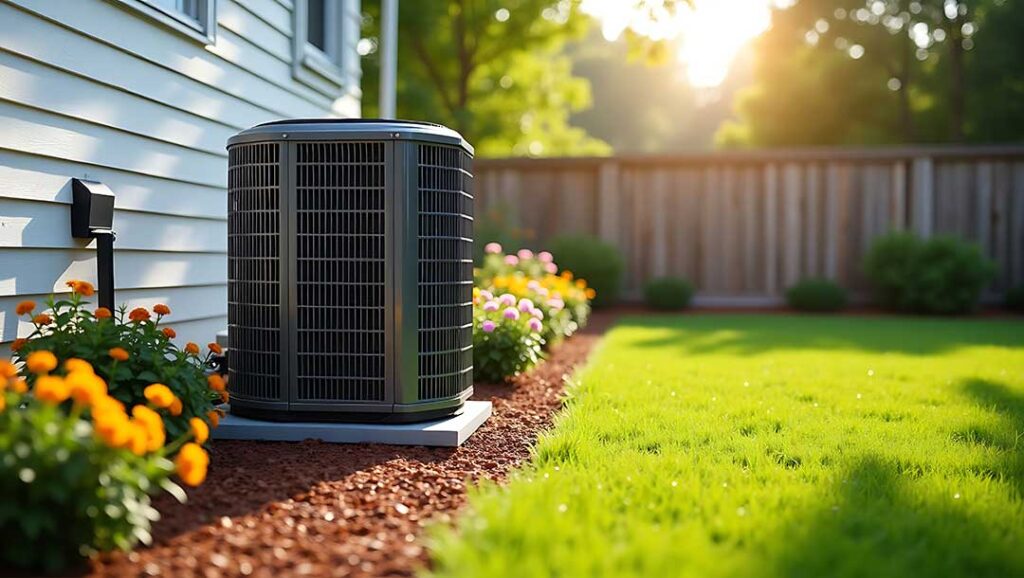
Central air systems rely on the outdoor condenser unit dispersing heat. If airflow is blocked or the coil is covered with debris, cooling is affected.
Inspect the outdoor unit:
- Clear away any leaves, weeds, or grass clippings from around the unit (at least two feet of clearance)
- Gently hose down the condenser fins if they are dusty or covered in pollen—never use a pressure washer or scrape with metal
- Ensure pets and children don’t leave toys or objects near the system
Akron’s combination of summer rain and fast-growing grass can lead to more outdoor blockages than many homeowners realize.
Are All Vents Open and Unobstructed?
Inside, furniture, boxes, or rugs sometimes block vents. This is common after room rearrangements or hosting gatherings.
Walk through the home to:
- Ensure each vent feels airflow and is fully open
- Look for closed dampers or items blocking return air registers (commonly located on walls or ceilings)
Stable airflow across all rooms helps the AC run efficiently and evenly cool the house.
Could It Be a Frozen Coil?
It sounds strange, but AC coils can freeze even during hot weather. This restricts cooling entirely and often signals either a dirty filter, blocked vents, low refrigerant, or very low outdoor temperatures.
If you see frost or ice around the indoor air handler or lines:
- Turn off the system for a few hours and switch the fan to “on” (not “auto”) to thaw the ice
- Replace the air filter if needed and check for airflow problems as above
If the issue recurs quickly after thawing, professional diagnosis may be necessary, especially if refrigerant loss is suspected, due to federal safety and environmental rules around refrigerants.
Is There a Problem With the Circuit Breaker or Power?
Sudden AC shutdowns can sometimes be traced to an electrical issue, especially following a summer thunderstorm or local brownout.
Check your household electrical panel:
- Find the breaker labeled for the AC (often two joined switches)
- If it's tripped, reset it once; if it quickly trips again, do not repeat—electrical issues need attention due to fire and shock risks
Some systems also have a separate disconnect switch outside, which should remain on during normal operation.
Are Windows and Doors Sealed?
Sometimes, loss of cooling efficiency is caused by leaks rather than the AC itself. Older Akron homes often have original windows or doors that no longer seal tightly, allowing cooled air to escape and hot air to enter.
During the hottest days:
- Confirm all windows and doors are fully shut and locked
- Use curtains or blinds to reduce direct sunlight in south- or west-facing rooms
These steps help maximize what the AC can achieve, especially on particularly hot or humid days.
What If None of These Steps Work?
Homeowners should attempt only basic, safe troubleshooting. If these steps don’t resolve the issue or if the system is making unusual noises, leaking water, or showing electrical warning signals, further investigation could require handling refrigerants or high-voltage parts. In such cases, safety and legal codes should be respected, so pursuing more advanced repair without specialized knowledge is not advised.