

 See My Latest Article on HelloNation
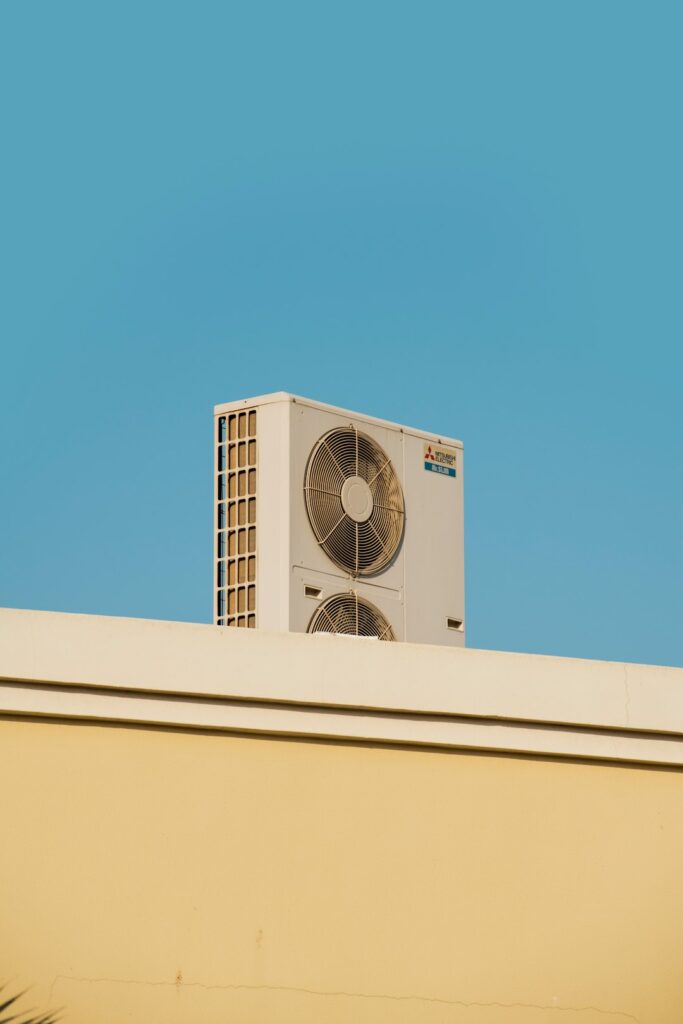
Why Does HVAC Size Matter for Homes in Akron, OH?
Choosing the right size HVAC system is crucial for staying comfortable during Ohio’s humid summers and freezing winters. An oversized or undersized system can impact both your energy bills and home comfort. In Akron, climate swings and common home construction styles mean properly sizing your heating and cooling system is especially important.
A system that’s too large heats or cools the home quickly but cycles on and off too often, causing uneven temperatures, humidity issues, and unnecessary wear. A unit that’s too small won’t keep up during peak weather, leaving rooms uncomfortable and systems overworked.
How Do Heating and Cooling Needs Vary in the Area?
Homes in Akron experience cold winters with lows often in the teens and hot, humid summers reaching into the 80s or above. This means homes need both strong heating and reliable air conditioning to maintain comfort year-round.
Local housing styles—ranging from older bungalows with less insulation to newer builds with tighter construction—affect the load an HVAC unit must handle. Window quality, ceiling height, basement presence, and how much sun or shade surrounds the house also play a role.
What Factors Affect the Right HVAC Size?
Sizing a heating or cooling system goes beyond just square footage. In Akron and similar climates, these factors matter:
- Total living area (square footage)
- Ceiling height—tall ceilings increase air volume
- Age and quality of insulation—older homes may lose heating or cooling faster
- Number and location of windows—windows can let in heat or cold
- Orientation—north vs. south facing can change sun exposure impact
- Ductwork efficiency—leaky ducts make systems work harder
- Typical number of occupants—more people generate more heat and require more fresh air
A load calculation, sometimes called a Manual J calculation, uses all these variables to estimate how many BTUs (British Thermal Units) the home needs for both heating and cooling.
Is Square Footage Alone Enough?
While square footage offers a starting point, it doesn’t tell the whole story for Akron households. Standard rules of thumb—like 1 ton of air conditioning for every 500–600 square feet—can mislead if other variables are ignored. For example, a 2,000-square-foot house with modern windows and robust attic insulation might need a smaller unit than an older home of the same size with drafty windows and minimal insulation.
What Do “BTUs” and “Tons” Mean in HVAC Sizing?
Heating and cooling equipment is rated by how much thermal energy it can move. Heaters and furnaces use BTUs per hour; air conditioners are rated in tons, where one ton equals 12,000 BTUs per hour. Accurate sizing ensures that the unit can keep up with the extremes of both summer and winter without wasting energy.
How Do You Estimate Sizing in Akron Homes?
Here’s a simplified starting point, but remember—these are ballpark figures and don’t replace a professional load calculation:
- For cooling: 1 ton (12,000 BTUs/hr) of AC for every 500–700 square feet—adjust lower if ceilings are higher or insulation is poor.
- For heating: Aim for 30–60 BTUs/hr per square foot, depending on construction and insulation levels.
For example, a 1,800-square-foot postwar bungalow with original windows might need a 3.5-ton air conditioner and a 72,000-BTU furnace, while a newer, insulated ranch home of the same size could use slightly less.
Common Misconceptions About HVAC Size
Many believe “bigger is always better,” but an oversized unit can cause:
- Short-cycling (constant on-off), decreasing efficiency
- Difficulty removing humidity in summer—leads to a clammy feel
- Uneven temperature swings from room to room
- More frequent repairs and shorter equipment lifespan

Undersized equipment struggles to reach target temperatures, making the system run constantly and driving up energy costs.
Local Considerations in HVAC Sizing
In Akron, the combination of humid summers and cold winters calls for careful humidity control. Systems that can modulate output—like variable-speed furnaces or multi-stage air conditioners—are often more comfortable. Homes with finished basements, common in the city, may need separate consideration for basement temperature and moisture control.
Older historic houses commonly found in the area may also have unique ductwork or airflow challenges. These homes may benefit from room-by-room assessments.
What Can Homeowners Do to Get the Best Match?
Here’s what local homeowners can do to help ensure a good HVAC sizing outcome:
- Gather basic details about home square footage, number of stories, and basement usage.
- Note areas that feel colder or warmer than others—uneven temperatures can indicate sizing or airflow issues.
- If replacing equipment, look up current system capacity (often written on a nameplate inside the unit) and compare it to real comfort needs. The original may have been oversized.
- Consider ductwork condition, closet or attic insulation, and recent window upgrades.
- Use online calculators that ask for home specifics, but treat results as starting points only.
Safety and Building Code Considerations
HVAC sizing also must meet safety, code, and efficiency regulations in Ohio. For new installations or major changes, local building codes often require a formal load calculation as part of the permitting process. Ensuring the unit matches code requirements helps protect both comfort and system safety.