

 See My Latest Article on HelloNation
Uneven temperatures are common in homes with multiple floors, additions, finished basements, older ductwork, or rooms with different amounts of sunlight. A bedroom may feel chilly while a nearby hallway is comfortable, or an upstairs room may stay warm long after the thermostat reaches its setting.
The problem usually comes from an imbalance between heat loss, heat gain, airflow, and thermostat location. Before changing equipment settings or blocking vents, use a step-by-step process to identify where the imbalance begins.
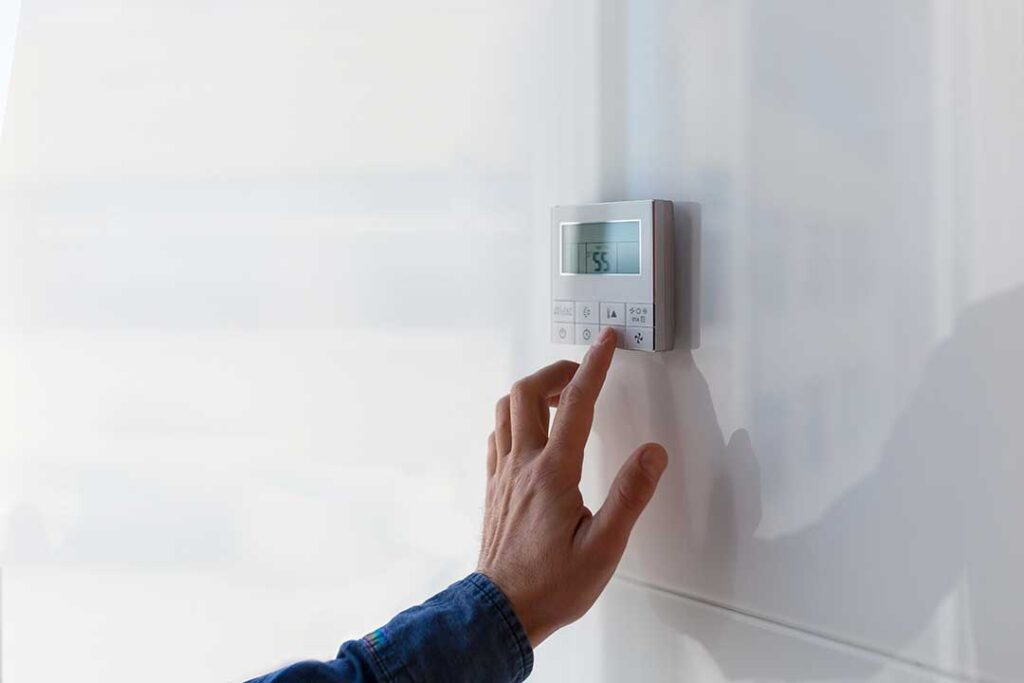
Is the thermostat giving an accurate picture of the home?
The thermostat measures conditions only in the area around it. If that location is near a supply vent, exterior door, sunny window, kitchen, or drafty hallway, the heating or cooling system may shut off before other rooms reach a comfortable temperature.
Check the thermostat area for:
- Direct sunlight during part of the day
- Drafts from doors, windows, or wall openings
- Nearby lamps, televisions, appliances, or electronics
- A supply register blowing directly toward the thermostat
- Furniture, curtains, or decorations blocking air circulation
A simple comparison can help. Place an indoor thermometer in the colder or warmer room and compare it with the thermostat reading after the system has operated for a while. A difference of several degrees suggests that the thermostat location may not represent the rest of the home.
Avoid adjusting the thermostat repeatedly to compensate for one uncomfortable room. That may overheat or overcool other parts of the house without correcting the underlying imbalance.
Are supply and return vents open and unobstructed?
Closed or blocked registers are among the easiest causes of uneven temperatures. Check every supply vent, including those in rooms that are rarely used. A closed register can increase pressure in the duct system and reduce airflow elsewhere.
Look for:
- Furniture placed over floor registers
- Rugs covering low wall or floor vents
- Curtains hanging over registers
- Dust, pet hair, or debris inside grilles
- Supply vents accidentally adjusted toward a wall or furniture
- Return grilles blocked by shelving, boxes, or curtains
Return vents are especially important. Supply registers deliver conditioned air, while return grilles allow room air to travel back to the heating or cooling equipment. If a return is blocked, the system may struggle to move air through that part of the home.
Vacuum visible dust from grilles and registers. Do not push tools deep into duct openings, where they could damage internal components or dislodge material.
Could the air filter be restricting airflow?
A dirty filter can reduce the amount of air moving through the system. The rooms farthest from the equipment may show the problem first because they already depend on longer duct runs or weaker airflow.
Check the filter if:
- Airflow feels weak at several supply vents
- The system runs for long periods
- Some rooms became uncomfortable gradually
- The filter looks gray, dusty, or visibly coated
- The blower sounds different than usual
Use the filter size and type specified for the equipment. A filter that is too restrictive for the system can create airflow problems even when it is clean. Filters should be checked regularly, especially during periods of heavy heating or cooling use and in homes with pets, remodeling dust, or indoor wood-burning activity.
A filter change may improve airflow, but it will not correct crushed ducts, undersized ductwork, poor insulation, or a failing blower.
Is the home losing heat through windows, doors, or walls?
In winter, a room may feel cold because it loses heat faster than the system can replace it. In summer, the same room may become too warm because sunlight and outdoor heat enter more quickly than the air-conditioning system can remove them.
Common clues include:
- Cold surfaces near windows
- Drafts around exterior doors
- Rooms above garages or beneath poorly insulated roof areas
- Large windows facing strong afternoon sun
- Cold floors over crawlspaces, garages, or unheated areas
- Wall or ceiling areas that feel noticeably different from nearby surfaces
Weather patterns in Akron can make these differences more noticeable. Cold winter air, changing shoulder-season temperatures, and humid summer conditions place different demands on rooms depending on their exposure and construction.
Use curtains or shades to limit summer solar heat, but avoid covering supply or return vents. Weatherstripping around movable doors and windows can reduce drafts. If a window is cold but not visibly drafty, the issue may be limited insulation or older glazing rather than an air leak.
Are some rooms too far from the heating and cooling equipment?
Rooms at the ends of long duct runs often receive less airflow than rooms near the furnace or air handler. This is more noticeable in homes with additions, converted porches, finished upper floors, or remodeled spaces that were not part of the original duct design.
Compare airflow at several registers using the back of a hand or a small strip of tissue. The goal is not to measure exact air volume, but to identify major differences.
If one register has very weak airflow while others are normal, possible causes include:
- A disconnected or leaking duct
- A crushed flexible duct
- A closed balancing damper
- A duct run that passes through an unconditioned area
- An undersized branch duct
- A return-air problem in the room or zone
Do not close many registers to force air into one room. Closing too many can raise pressure inside the duct system and make the equipment work less efficiently.
Could room pressure be preventing good airflow?
A room needs a path for air to leave when conditioned air enters. If the door is closed and there is no return grille, transfer grille, or adequate gap beneath the door, pressure can build and restrict airflow.
This often affects bedrooms, offices, and finished rooms where doors remain closed for long periods. A quick test is to leave the door open and observe whether the temperature or airflow changes over the next several hours. If comfort improves, the room may need a better return-air path rather than a stronger supply register.
Do not permanently remove a door or enlarge an opening without considering privacy, fire separation, humidity, and local building requirements. Airflow changes should not compromise safety features.
Are heating and cooling settings creating the imbalance?
Fan and operating settings can affect comfort. In heating season, a fan set to run continuously may circulate air but can also make some rooms feel cooler between heating cycles, especially if ducts pass through unconditioned spaces. During cooling season, long fan operation may help mix air, but it can also redistribute humidity if the system is not removing moisture effectively.
Check that:
- The system is set to the intended heating, cooling, or automatic mode
- The thermostat schedule is not changing unexpectedly
- A zoning or room sensor, if present, is working properly
- The fan setting matches the household’s comfort needs
- Ceiling fans are turning in the seasonally appropriate direction
Ceiling fans do not lower the actual room temperature. They make people feel cooler by moving air across the skin, so turn them off in unoccupied rooms.
When does uneven temperature require further investigation?
Persistent differences after checking vents, filters, thermostat placement, and obvious drafts may point to a deeper airflow or building-envelope issue. Pay closer attention if the problem is accompanied by:
- Unusual furnace, heat pump, or air-conditioner noises
- A burning smell, fuel odor, or carbon monoxide alarm
- Ice forming on cooling equipment or refrigerant lines
- Water around the indoor unit
- Short cycling or very long operating cycles
- A room that remains uncomfortable despite strong airflow
- Visible duct damage or insulation deterioration
Fuel odors, carbon monoxide alarms, electrical burning smells, and suspected combustion problems require immediate attention. Leave the area if necessary and follow household emergency procedures.
For less urgent problems, record which rooms are too warm or too cool, the outdoor conditions, thermostat settings, filter condition, and whether doors were open or closed. This information can help distinguish an airflow problem from insulation, window, duct, or equipment-related causes without relying on guesswork.